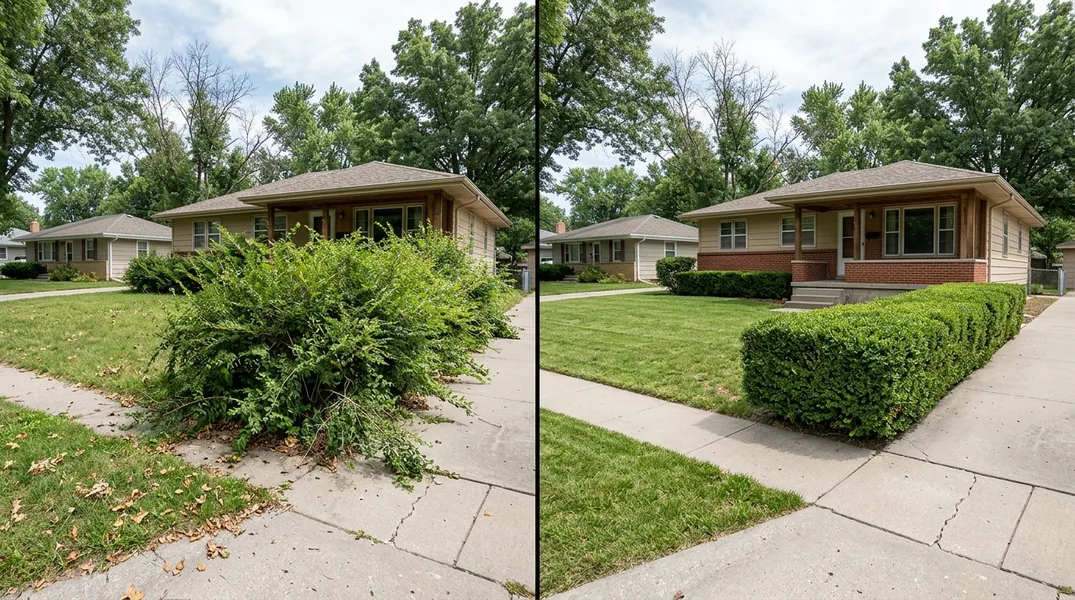
Tree Trimming vs Tree Removal: Understanding Your Options
When you notice a tree on your property showing signs of stress, disease, or damage, the first question that comes to mind is often whether it can be saved or if it needs to go. The good news is that many trees that appear to be in trouble can actually be restored to health through proper care and maintenance. However, some situations genuinely call for Tree Removal. Understanding the difference between these two approaches is essential for any homeowner in Lincoln who wants to make an informed decision about their trees.
Tree Trimming & Pruning is a preventative and restorative practice that removes dead, diseased, or overgrown branches to improve the tree's structure, appearance, and health. When done correctly by trained professionals, trimming can extend a tree's lifespan by decades and prevent future problems. Tree removal, on the other hand, is a last-resort solution reserved for trees that pose a safety hazard, are beyond recovery, or are causing structural damage to nearby property. The key is knowing which category your tree falls into and acting before a minor problem becomes a major one.
Signs Your Tree Can Be Saved with Proper Trimming
Many trees exhibit warning signs that homeowners misinterpret as a death sentence, when in reality the tree simply needs professional attention. If your tree has broken or hanging branches, sparse foliage in one section, or minor pest damage, these are typically manageable issues. Trees that are growing too close to your house, power lines, or neighboring properties can often be pruned back safely rather than removed entirely. The key indicator that a tree can be saved is whether the damage is limited to a portion of the canopy or trunk, rather than affecting the entire tree structure.
A tree with disease limited to one or two branches, for example, can often recover after those branches are removed and the tree receives appropriate care. Similarly, trees that are overgrown or misshapen due to years of neglect can be rehabilitated through strategic pruning that restores their natural form and structural integrity. In Lincoln, where shade trees are valued for their cooling benefits and aesthetic appeal, investing in trimming services can preserve these assets for future generations. The question to ask yourself is whether the problem is localized or systemic, and whether the tree's overall structure remains sound.
Hazard Tree Assessment in Lincoln: When Removal Becomes Necessary
A hazard tree assessment is the professional evaluation process that determines whether a tree poses a genuine risk to people, property, or infrastructure. Certain situations clearly warrant removal rather than trimming. If a tree has a hollow trunk, multiple large cavities, or significant lean that suggests structural failure, it should be removed. Trees with major cracks running through the trunk, trees that have already dropped large limbs, or trees with extensive root damage are safety liabilities that cannot be rehabilitated through pruning alone. Storm damage that has compromised more than fifty percent of the canopy often makes removal the only prudent choice.
Disease severity also plays a critical role in the removal decision. While minor fungal infections or insect infestations can sometimes be managed, diseases like Dutch elm disease or ash borers often require removal because the tree will eventually die regardless of treatment efforts. A professional hazard tree assessment considers factors such as proximity to structures, the tree's health status, local weather patterns, and the likelihood of failure. Lincoln Tree Service can evaluate your specific situation and provide expert guidance on whether your tree can be saved or whether removal is the safer option. If you're uncertain about a tree's condition, scheduling a professional assessment is always the wisest first step.
The Benefits of Choosing Trimming Over Removal
Preserving a healthy tree through trimming offers numerous advantages beyond simple aesthetics. Mature shade trees provide cooling benefits that can reduce your home's energy costs by up to twenty percent during hot months. They improve air quality, prevent soil erosion, increase property values, and provide habitat for wildlife. From a practical standpoint, removing a large tree is significantly more expensive and disruptive than regular trimming maintenance. Once a mature tree is gone, it takes decades for a replacement to grow to similar size and provide equivalent benefits.
Regular trimming also prevents the cascade of problems that lead to removal. By removing dead wood and diseased branches promptly, you prevent pest infestations from spreading to healthy portions of the tree. By addressing structural issues early through proper pruning, you prevent the development of dangerous weak points that could fail during storms. Trimming maintains the tree's natural shape and strength, making it more resilient to weather and disease. The investment in preventative trimming is invariably less expensive than the cost of removal plus the loss of the tree's benefits. For homeowners committed to maintaining their landscape, regular professional trimming is the clear choice whenever the tree's health allows it.
Tree Pruning in Lincoln, NE: Best Practices and Timing
Professional tree pruning in Lincoln, NE follows established best practices that maximize the tree's health and minimize stress. The timing of pruning matters significantly. Most deciduous trees should be pruned during late winter or early spring when they are dormant, allowing them to heal quickly as growth resumes. Summer pruning should generally be avoided except to remove dead or dangerous branches, as it stresses trees during their growing season. Evergreens can often be pruned in late winter or early summer depending on the species.
Professional arborists follow the three-cut method and never perform topping, which is a harmful practice that removes the tree's upper structure and causes permanent damage. Proper pruning removes no more than twenty-five percent of the canopy at one time and always cuts just outside the branch collar to allow proper healing. Different tree species require different approaches. Oak trees, for example, should never be pruned in spring due to disease risk, while fruit trees benefit from more aggressive annual pruning. Rather than attempting DIY trimming with chainsaws and ladders, which poses serious safety risks, homeowners should contact Lincoln Tree Service at (531) 229-0743 to schedule professional pruning that protects both tree and homeowner.
Making Your Decision: How to Know When to Call a Professional
The safest approach is to err on the side of caution and consult with a professional before making any decisions about your trees. A certified arborist can assess your tree's health, identify hidden problems, and recommend the most appropriate course of action. If you're asking yourself whether your tree should be trimmed or removed, that's already a sign that professional evaluation would be valuable. Common situations that warrant a professional call include trees with visible disease or pest damage, trees that have been struck by lightning or damaged in storms, trees that are interfering with power lines or structures, and trees that simply look unhealthy but you're unsure why.
Lincoln Tree Service offers free consultations where our experienced team can evaluate your trees and explain your options in clear, practical terms. We can discuss the costs and benefits of trimming versus removal, outline a long-term maintenance plan if trimming is appropriate, and answer any questions you have about tree care. Whether your tree can be saved through professional trimming or requires removal, we have the expertise and equipment to handle the job safely and efficiently. Contact us today at (531) 229-0743 or request a free estimate to discuss your tree care needs. Your trees are valuable assets, and they deserve professional care from people who understand their needs.
Looking for a professional tree service in Lincoln? Lincoln Tree Service responds fast for all your tree service needs.
Get a Free QuoteOur services: Tree Removal · Tree Trimming & Pruning · Stump Grinding