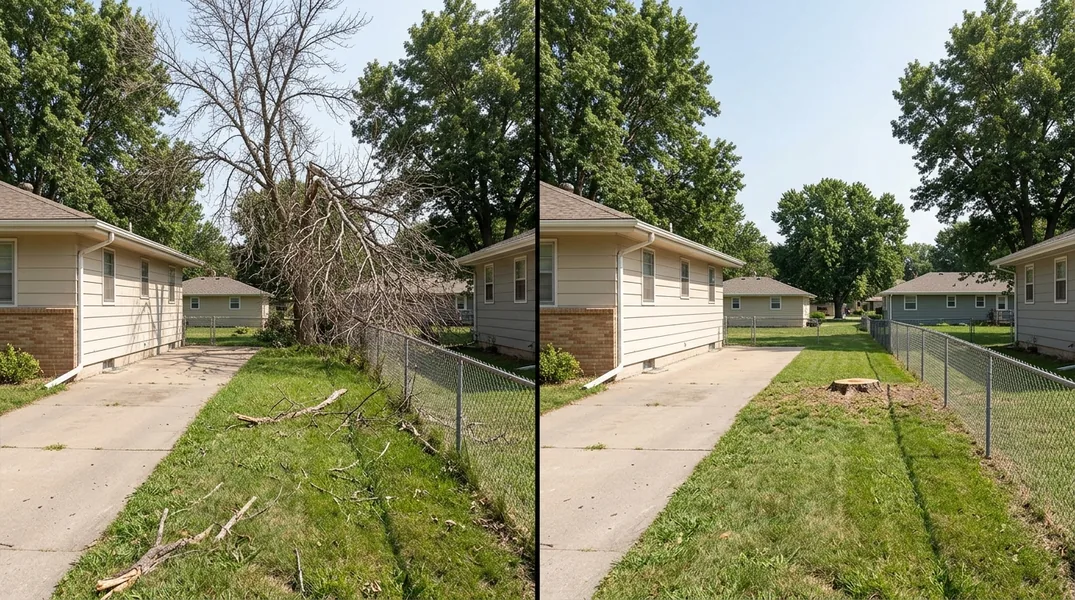
Understanding Lincoln's Tree Removal Permit Requirements
Before you pick up a chainsaw or call a contractor, it's critical to understand whether your tree removal project in Lincoln requires a permit. Many homeowners assume they can remove any tree on their property without approval, but Lincoln has specific regulations designed to protect the urban forest and maintain the character of our community. Violating these rules can result in fines, forced replanting requirements, or legal disputes with your city.
The City of Lincoln requires a permit for the removal of most trees in residential and commercial areas. The exact rules depend on the tree's size, species, location, and whether it's considered a protected or heritage tree. Understanding these distinctions upfront saves you time, money, and potential headaches. This is why working with an experienced local Tree Removal company like Lincoln Tree Service makes sense. We know the ins and outs of the local lincoln tree ordinance and can guide you through the entire process.
What is a Lincoln Tree Ordinance and How Does It Apply to You?
The lincoln tree ordinance is a set of municipal codes that govern how trees are managed, removed, and protected within city limits. These rules exist to preserve the environmental benefits trees provide, including improved air quality, reduced stormwater runoff, wildlife habitat, and aesthetic value. The ordinance applies to both public and private property, though the requirements differ slightly depending on where your tree is located.
Under the ordinance, certain tree species are designated as protected, meaning they cannot be removed without explicit approval from the city's Parks and Recreation Department or the Urban Forester. Heritage trees, which are typically large, mature specimens of native species, receive even stricter protections. If you have a protected tree on your property and want it removed, you'll need to submit an application, provide justification, and often include an arborist report documenting why removal is necessary. Common reasons include disease, structural failure, or safety hazards. Trees that are dead, diseased, or pose an immediate danger may qualify for expedited removal, but you still need to follow the proper channels.
Tree Removal Permit Lincoln NE: Step-by-Step Application Process
Applying for a tree removal permit in Lincoln involves several steps, and getting it right the first time prevents delays. Start by identifying your tree's species, measuring its diameter, and determining its location on your property. You'll need to submit a formal application to the City of Lincoln's Parks and Recreation Department or the appropriate municipal office. The application typically requires your property address, a description of the tree, the reason for removal, and sometimes photos or a site plan showing the tree's location.
For trees over a certain diameter threshold (usually 6 inches or larger), you may be required to include an arborist report as part of your application. This professional assessment documents the tree's health, any hazards it poses, and whether removal is truly necessary or if alternatives like Tree Trimming & Pruning might address your concerns. Once you submit your application, the city typically responds within 5 to 10 business days. If approved, you'll receive a permit that authorizes your contractor to proceed. If denied, you have the option to appeal or provide additional documentation supporting your case.
Lancaster County Tree Removal Rules: Know Your Local Regulations
While the City of Lincoln enforces its own tree ordinance, Lancaster County also has guidelines that may apply, especially if your property is just outside city limits or if your project involves county-owned land. lancaster county tree removal rules focus on environmental stewardship and often align with state regulations. It's essential to check both municipal and county requirements before proceeding with any removal project, as non-compliance can result in penalties or legal action.
If you're uncertain about which regulations apply to your specific situation, Lincoln Tree Service can help clarify. Our team stays current on all local and county requirements and can advise you on whether your project needs city approval, county approval, or both. We can also help you determine if your tree qualifies for any exemptions or expedited processes. This expertise saves you from making costly mistakes and ensures your project stays on the right side of the law.
Do You Need an Arborist Report Lincoln for Your Tree Removal?
An arborist report is a professional assessment of a tree's condition, structural integrity, and safety risk. In Lincoln, an arborist report is often required when applying for a tree removal permit, particularly for large, mature, or protected trees. The report is prepared by a certified arborist who evaluates factors like disease, pest damage, root problems, lean, branch failure risk, and proximity to structures. This documentation provides the city with objective evidence that removal is justified and necessary.
If your tree is showing signs of disease, has dead branches, is leaning dangerously, or poses a threat to your home or power lines, an arborist report strengthens your permit application significantly. Many homeowners don't realize that investing in a professional assessment upfront actually speeds up the approval process and reduces the chance of denial. Lincoln Tree Service can connect you with certified arborists who can prepare the necessary documentation, or we can provide our own professional assessment as part of our consultation. Getting a free estimate from our team is a smart first step if you're unsure whether your tree needs to come down.
Common Mistakes Homeowners Make with Tree Removal Permits
One of the biggest mistakes homeowners make is removing a tree without obtaining a permit first, assuming they have the right to remove any tree on their own property. This assumption can be expensive. The city may issue a citation, require you to replant a tree of similar or larger size, or impose fines that can reach hundreds or thousands of dollars depending on the violation. Additionally, if your contractor removes a protected tree without authorization, both you and the contractor can face legal liability.
Another common error is submitting an incomplete or vague application. Providing insufficient information about why the tree needs to be removed, failing to include required photos or measurements, or missing the deadline for submission can all lead to delays or denials. Some homeowners also delay the permit process, hoping to handle Tree Removal quickly, only to discover they need permits and arborist reports, which add weeks to the timeline. The best approach is to start the permitting process as soon as you decide a tree needs to come down. Contact Lincoln Tree Service at (531) 229-0743 to discuss your situation. Our team can advise you on whether a permit is required and help you navigate the application process smoothly.
Looking for a professional tree service in Lincoln? Lincoln Tree Service responds fast for all your tree service needs.
Get a Free QuoteOur services: Tree Removal · Tree Trimming & Pruning · Stump Grinding